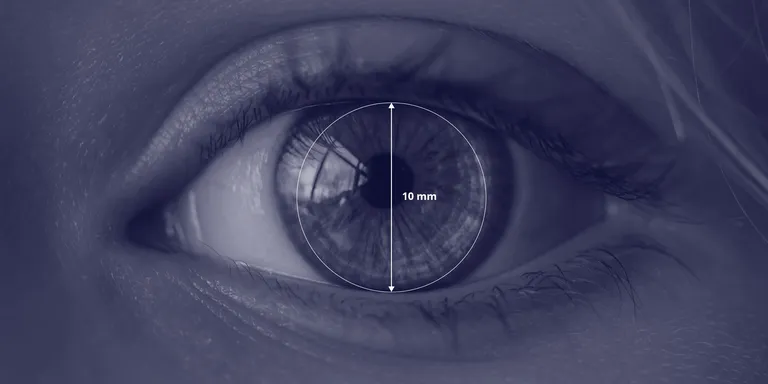



Why Blink Metrics?
Blinks are temporary closing and opening of the eyelids and we can easily measure it with the help of eye trackers. Each blink temporarily obstructs the pupil and corneal reflections due to the closed eyelids. On average, people blink approximately 17 times per minute, which leads to missing data points for both eyes. In addition with the traditional eye tracking metrics such as fixations, saccades and pupil measurements, blink metrics can provide additional layer of information. Incorporating blink metrics into research studies offers an easy, non-invasive way to gauge cognitive and physiological states, from engagement and mental fatigue to dopaminergic system activity in the brain.
Blinks as markers of Engagement & Memory
- Blink rates are usually reduced when the person is engaged with the task/content. For example, watching engaging stimuli such as movies. It denotes Less Blinks = More Engage & More Attention.
- Moments with fewer blinks during viewing are often better remembered later (even weeks afterward).
:quality(80))
Mental Fatigue and Vigilance Assessment
- Increased blink rates indicates the rise in mental fatigue.
- Detecting and managing mental fatigue promptly is essential in environments where continuous human attention is critical for safety and efficiency such as – air traffic control, healthcare monitoring, military operations, long-distance driving.
Blinks in detecting Drowsiness
- Blink patterns such as Longer eye closures & Changes in blink frequency indicates drowsiness or sleepiness.
- These measures are commonly used in Driver-safety Systems and other technologies that monitor alertness, helping prevent accidents or errors.
:quality(80))
Gateway to Brain’s dopamine system
- Variations in blink rates can reflect changes in dopamine levels in the brain, providing insights into conditions with disrupted physiological dopamine levels.
- A reduced blink rate is observed in hypo-dopaminergic conditions such as Parkinson’s disease, ADHD, and substance use disorders, while an increased rate is documented in hyper-dopaminergic conditions like schizophrenia and autism.
Blink detection can be done using Eye Openness (EO) Data. Eye openness signal is currently available in Tobii Pro Spectrum (1200 Hz) and Tobii Pro Fusion (250 Hz). We can detect blinks using eye openness data (eyelid tracking), unlike traditional methods based on data loss, which only indicate the presence, absence, or duration of blinks. To detect blinks, Tobii Pro Lab Software uses an independently developed and validated algorithm – the Nyström Algorithm – created by Tobii in collaboration with Dr. Marcus Nyström from Lund University.
If you’d like to dive deeper into any particular study or point, feel free to ask us at parag@tidentech.com or tidentech@gmail.com or call us on +91 9987442274.