


Blogs

Eye Tracking – Assessment tool for Alzheimer’s Disease

Early diagnosis of Alzheimer’s Disease is very difficult because current diagnostic methods such as neuroimaging and lumbar puncture are quite invasive, expensive and time consuming. In contrast, eye tracking offers a non-intrusive, quick and potentially low cost screening tool. Eye movements and cognitive alterations occur at early disease stages and can be gauged through simple, […]
Read More

Blink: Making Eye-Tracking Research Simpler and More Accurate

Why Blink Metrics? Blinks are temporary closing and opening of the eyelids and we can easily measure it with the help of eye trackers. Each blink temporarily obstructs the pupil and corneal reflections due to the closed eyelids. On average, people blink approximately 17 times per minute, which leads to missing data points for both […]
Read More

Eye Openness – See What Matters

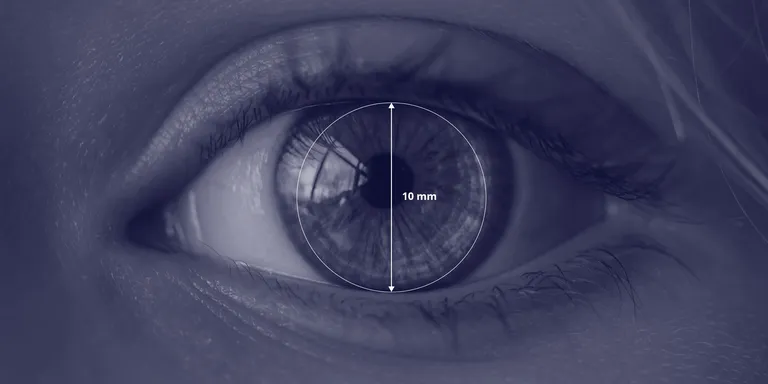
Eye Openness (EO) is a new eye tracking signal developed by Tobii for researchers, the EO represents a measure of the largest sphere that can fit between the upper and lower eyelids. The EO signal provides the basis for accurate eyelid movement detection, including different types of blinks. EO in Cognitive and Physiological processes The […]
Read More

Eye Tracking to Understand Consumer Behavior in E-Commerce

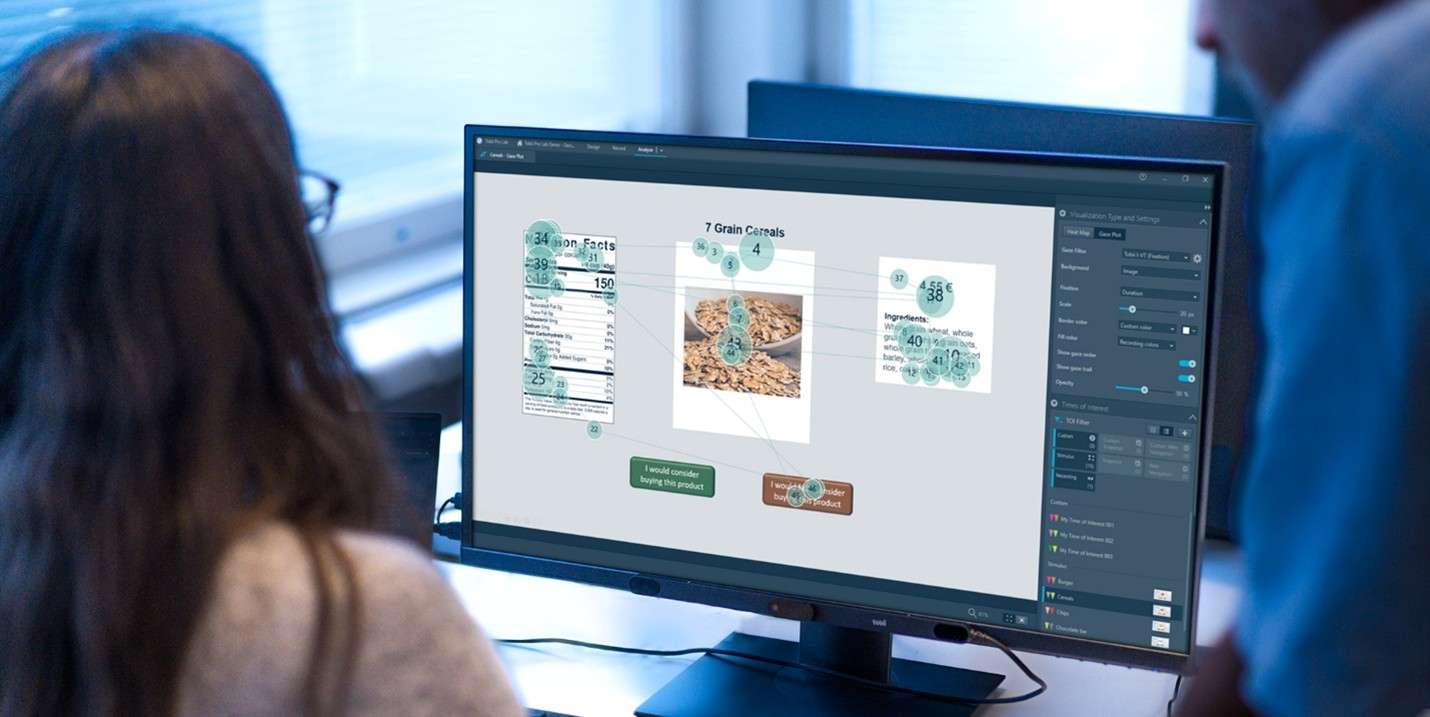
Cover image by Tobii Table of Contents: Introduction Why Eye Tracking Is Transformative for E-Commerce Research Applications of Eye Tracking in E-Commerce Case Example: Eye Tracking for Product Listing Pages Conclusion Introduction E-commerce environments are visually dense, decision-heavy, and highly competitive. In this landscape, understanding how consumers interact with digital storefronts is just as important […]
Read More
eye-tracking-in-ux

Eye Tracking in Usability and UX Research

Eye-tracking provides objective, millisecond-level data about where users look and for how long, adding a powerful layer to conventional usability methods (surveys, task times, think-aloud). When combined with task completion, click data, and qualitative probing, eye tracking helps teams identify visual attention patterns, detect confusing layouts, and optimise information hierarchy, improving conversion, task speed and […]
Read More

Shopping Cart

No products in the cart.