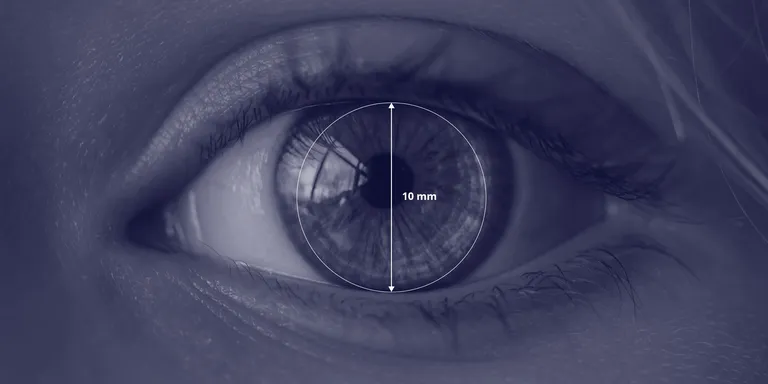



Dementia is a syndrome caused by various brain-damaging diseases, with Alzheimer’s disease being the most common. Other types includes vascular dementia, Lewy body dementia and frontotemporal dementia. Dementia is strongly associated with various oculomotor (eye movement) abnormalities. Eye tracking is emerging as a digital biomarker that objectively captures subtle changes in brain function by analysing eye movements. So using eye tracking in the assessment of dementia is a pretty useful as it offers a non-intrusive, quick and potentially low cost screening tool. Eye movements and cognitive alterations occur at early disease stages and can be gauged through simple, time-efficient eye tracking tasks.
What is Eye Tracking in Cognitive Studies
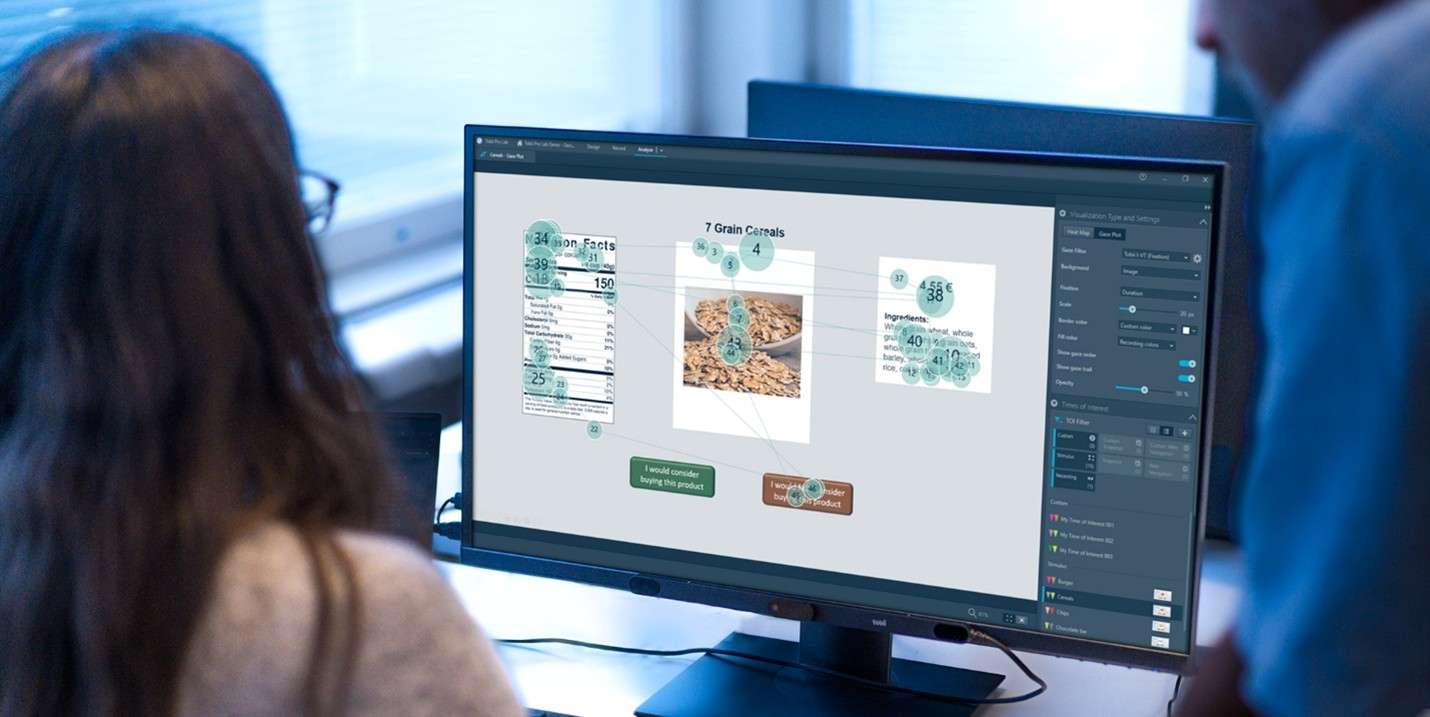
Eye tracking captures metrics on how person looks at a visual stimuli – measuring parameters such as:
-
- Fixation (where the eyes pause on a specific location)
- Saccades (rapid eye movement from one fixation point to another)
- Visual Search Patterns
These metrics can easily detects cognitive processes like attention, memory and executive control.

Image by ScienceDirect
1. Eye Movements Reveal Cognitive Decline Early
Patients with Alzheimer’s Disease shows abnormalities such as:
-
- Slower Responses (Delayed Saccades)
- High error rates in anti-saccade tasks
- Unstable fixation patterns.
These abnormalities appear before obvious clinical symptoms, making eye tracking useful for early detection. For more info on Assessment of Alzheimer’s Disease – “Read this Blog“.
2. Strong Link Between Eye Movements and Cognitive Domains
Eye-tracking metrics can strongly corelate with standard cognitive tests such as:
-
- Global Cognition (MoCA)
- Memory Performance
- Attention & executive function
3. Differentiation Between Normal Aging and Dementia
Eye Tracking can easily distinguish:
-
- Healthy individuals
- Mild Cognitive Impairment
- Alzheimer’s Disease
For Example:
-
- Increase in anti-saccades errors means cognitive impairment
- Reduced visual exploration → memory deficits
4. Non-Invasive and Scalable Tool
Compared to traditional methods eye tracking is useful because;
-
- No injections, no scans, no discomfort
- Fast and repeatable
- Suitable for large screening
Thus eye tracking becomes one of the most suitable equipment for population-level dementia screening.
Conclusion
In dementia assessment, eye tracking signifies a change from subjective observation to objective measurement. Eye tracking offers:
-
- Early detection capability
- Quantifiable biomarkers
- Integration with AI for scalable diagnostics
We can collect eye tracking metrics from screen based eye trackers such as Tobii Pro Spectrum (1200 Hz) and Tobii Pro Fusion (250 Hz). Also we can then use Tobii Pro Lab Software to record the data, visualize it during replay, and export the raw data as well as several metrics needed for detection of Dementia.
If you’d like to dive deeper into any particular study or point, feel free to ask us at parag@tidentech.com or tidentech@gmail.com or call us on +91 9987442274.
Reference: https://link.springer.com/article/10.1007/s00415-026-13666-8